
Preventive Dentistry – Tucson, AZ
State-of-the-Art Preventive Care
Dr. Lopez considers himself to be an “end-of-the-road” dentist – the kind you visit when other dentists have been unable to solve your dental problems. However, he firmly believes that the best solution for any oral health issue is to avoid it entirely! Call us today to schedule an appointment for preventive dentsitry in Tucson, AZ, including dental checkups and teeth cleanings. By visiting our dental office every six months, you’ll be giving your smile the best protection possible against cavities, gum disease, and other problems.
Why Choose Jay R. Lopez, DDS, PC for Preventive Dentistry?
-
Dentist with a
Step-by-Step Approach - Dental Office That Accepts All PPO Dental Insurance
-
Focus on Solving
Aesthetic Issues
Dental Checkups
& Teeth Cleanings

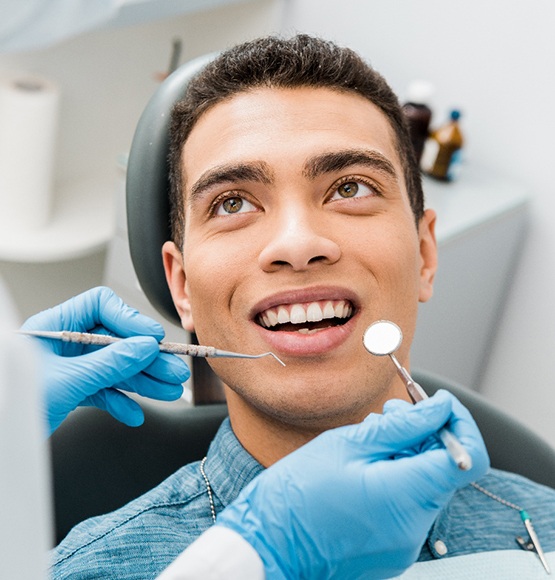
You might think that you’ll know immediately when something is wrong in your mouth, but sometimes, small cavities and mild gum disease can start to form without you even realizing it. Regular checkups allow us to identify these issues as early as possible so that they can be treated right away. Also, the cleanings we provide will remove plaque and tartar from the hard-to-reach spots in your mouth that you haven’t been able to clean while brushing.
Learn More About Dental Checkups & Teeth Cleanings
Nightguards for Bruxism

Habitually grinding your teeth at night can lead to dull morning headaches, frequent jaw soreness, and long-term dental damage. If any of this sounds familiar, make sure that you’re well-protected against bruxism by asking Dr. Lopez for a custom-made nightguard. It will be similar to oral appliances that you can find at the store, but it will be designed especially for your mouth so that you can stay comfortable at night while also remaining confident that your teeth will be as safe as possible.
What Is Bruxism?
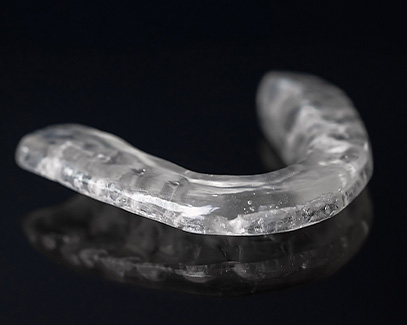
Bruxism is the clenching and/or grinding of the teeth, usually during sleep. This is a common issue among people of all ages. Some common causes could include stress, abnormal bite, missing teeth, and sleep apnea. When left untreated, bruxism can lead to excessive wear and tear of the teeth and jaw pain. Many people are unaware that they even have bruxism until complications arise. Here are some common signs and symptoms of bruxism that you should be aware of.
- Wearing of the teeth
- Fractured teeth and fillings
- Grinding noises
- Facial muscle pain and aches
- Locking, cracking, and clicking of the jaws
- Frequent headaches
- Tired or stiff jaw muscles and joints
Customized vs. Store-Bought Nightguards
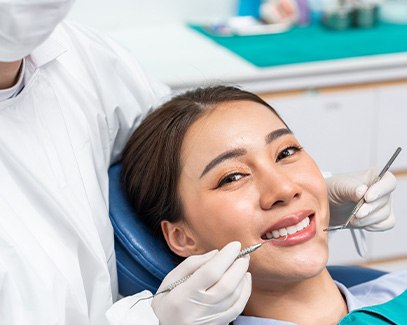
Nightguards are customized appliances that are typically worn during sleep to prevent clenching and grinding. They work by keeping the bottom and top teeth from coming into direct contact with each other. This takes the pressure off the teeth at night, helping you to achieve more quality sleep without risking your oral health. There are two main types of nightguards to choose from.
-
Store-Bought
- One-Size-Fits-All: The first over-the-counter option takes a one-size-fits-all approach. These products are designed to fit most mouth types.
- Boil-&-Bite: This type of nightguard softens when boiled, so you can bit into it to create a better fit for your smile.
-
Customized
- In the case of a custom nightguard, we will take a professional impression of your teeth and send it to a dental lab where your nightguard will be made just for you. During your next dental visit, you can confirm that the guide fits as it should.
The Process of Getting a Nightguard
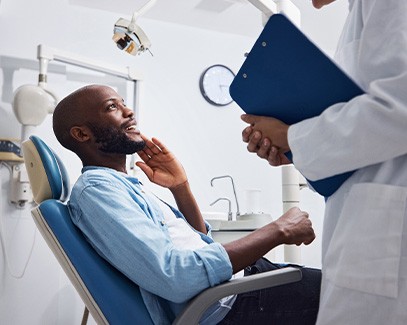
During your appointment, we will examine your smile and make impressions of your teeth so your appliance can be personalized for optimal comfort and effectiveness. We will send the impressions to the dental lab to custom-make your nightguard. This way, you can be confident that it will fit perfectly. When it’s complete, you will need to return to our dental office to try it on. Final adjustments can be made if needed, and then you can enjoy restful sleep without putting your oral health at risk.
The Benefits of Getting a Nightguard for Bruxism

There are many benefits that you can experience by wearing a nightguard for bruxism. Here are some of the most prominent ones.
- Teeth Protection: Nightguards protect the teeth during sleep, minimizing and preventing damage.
- Customized: Nightguards are customized for your mouth, so they will fit perfectly.
- Healthier Teeth: By reducing grinding and clenching, you can reduce wear and tear of the tooth enamel.
- Improve Breathing: Over-the-counter nightguards can restrict your airflow. Since our nightguards are customized, you don’t run into this issue.
Caring for Your Nightguard
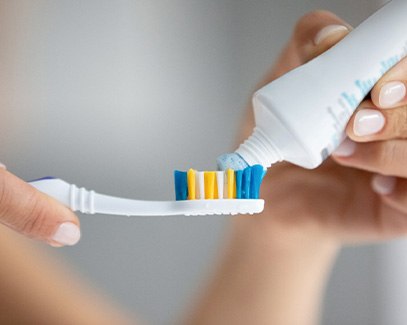
Proper maintenance is necessary to keep your oral appliance in good condition. You will receive a plastic case to keep your nightguard in a safe place when it isn’t in use. You should rinse and brush your appliance after each use. When doing so, consider the following.
- Use only clean, cool water to wash your nightguard
- Don’t use a denture cleanser
- Don’t use hot water for cleaning
- Avoid alcohol or hydrogen peroxide for cleaning
- Don’t keep your appliance in direct sunlight
Fluoride Treatment
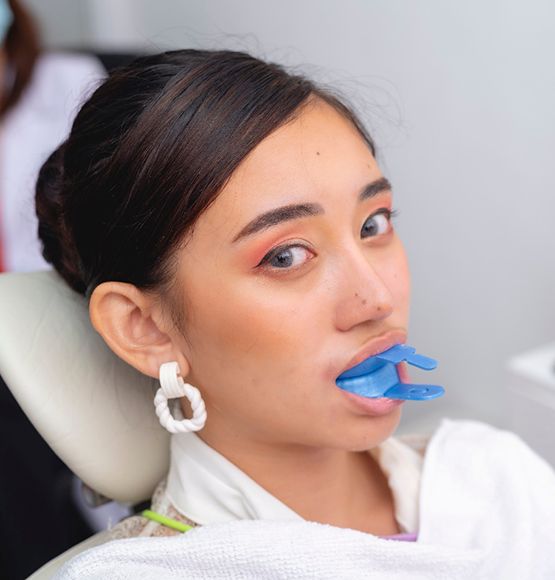
Enamel may be the hardest substance made by the human body, but that doesn’t mean it’s invincible. Even those committed to brushing and flossing every morning and night can develop weakened enamel, which increases the risk of dental damage and decay.
It’s natural to want to everything you can to protect your smile, and Dr. Lopez and our team in Tucson can help strengthen your teeth with topical fluoride treatments. Continue reading to learn more about this routine preventive service to better understand why it’s frequently recommended after your standard checkup and cleaning!
What is Fluoride?
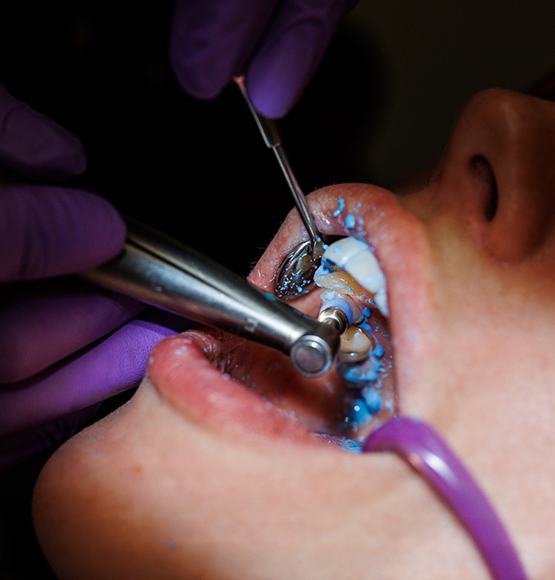
Fluoride is a naturally occurring mineral that’s found in soil, water, and rain, and is therefore often also found in growing vegetation. You may also have heard of this being added to toothpaste, mouthwash, and/or public sources of drinking water because it can help improve a population’s oral health.
This’s because the ingredient helps prevent tooth decay and slow its progress. It’s worth noting that overexposure, especially as a child, can sometimes become toxic or cause discoloration known as mottling. However, only small, safe dosages are used in water supplies and dental products or treatments.
How Does Fluoride Treatment Work?
Topical fluoride typically comes as a foam, gel, or varnish that can be brushed directly onto your teeth or placed in an applicator tray inserted over your arches. Even after the trays are removed, the active ingredients remain in place for about 30 to 60 minutes so they can begin to take effect.
Cavities occur when acids from the foods you eat or produced by unhealthy bacteria in your mouth erode your enamel. Fluoride works by drawing essential minerals, such as calcium and phosphate, from your saliva and bonding them to the protective outer layer of your teeth. This strengthens it, helping to prevent tooth decay or halt its progress before it becomes more severe or spreads to neighboring teeth or your jawbone.
Who Benefits from Fluoride Treatment?
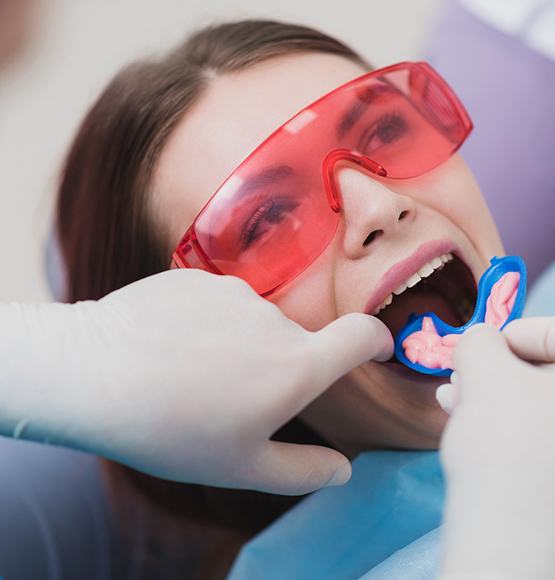
This service is often offered to children to help protect their still-developing smiles and keep them from developing cavities in the first place, but it is also advantageous for adult patients who have:
- Tooth sensitivity or thinning enamel.
- Developed a medical condition, such as diabetes, that increases the risk of oral issues.
- Unique circumstances, such as mobility challenges, that make it harder to maintain a consistent twice-daily dental hygiene routine at home.
Fluoride is more commonly included immediately following a routine checkup and cleaning, though it can also sometimes be helpful when offered as a standalone service.
Oral Cancer Screenings

While we’re checking for decay and infection, we might also find warning signs of something even more serious. Every exam includes an oral cancer screening where we look for unnatural lumps, white or red patches on oral tissues, and other possible indications of oral cancer. While smokers and alcohol-users have the highest risk, anyone can suffer from it – and you’ll give yourself the best chance of survival if you have it caught and treated early!
Signs & Symptoms of Oral Cancer

In addition to attending professional cleanings twice per year, you should be aware of the signs and symptoms of oral cancer. This way, if you notice that something doesn’t feel right, you can bring it up with your dentist. Here are some signs to be on the lookout for.
- Persistent sore throat
- Vocal changes
- Difficulty chewing and swallowing
- New lump or bump
- Sensation that something is stuck in the throat
- Sores or lesions that don’t heal within 10 days
What Does a Dentist Look for During an Oral Cancer Screening?
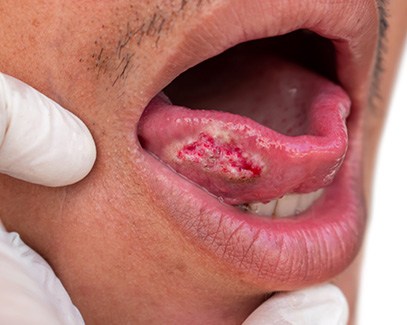
During your oral cancer screening, we will be on the lookout for asymmetrical bumps, swollen areas, red or white patches, ulceration, or tissue that is thicker than normal. We will also go over your medical history to identify any of the following risk factors of oral cancer.
- HPV Infection: Up to 3% of oral cancer cases are attributed to human papillomavirus (HPV).
- Tobacco: Nearly 80% of patients diagnosed with oral cancer either smoke or chew tobacco.
- Alcohol: Those who frequently drink heavily are more likely to develop oral cancer.
- Sun Exposure: Oral cancer concentrated on the lip area is often developed by those who have outdoor jobs, therefore prolonged UV exposure.
What Can I Expect During My Screening?
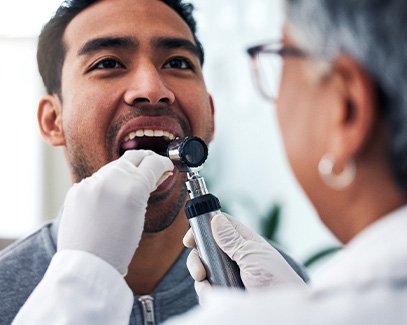
Oral cancer screenings are quick, painless, and easy. You have probably already had many oral cancer screenings in your life without even realizing it. During your routine cleanings and checkups, we will thoroughly examine your oral cavity. We will take several minutes to look at your lips, the back of your throat, and your tongue. We will also check your cheeks and jaw for abnormalities. If we find anything notable, we will either diagnose it and take further action or refer you to a specialist to take a closer look.