
Gum Disease Treatment – Tucson, AZ
Don’t Overlook Swollen or Bleeding Gums
The most common symptoms of early gum disease – such as red, swollen tissues, or bleeding whenever you brush or floss – are easy to dismiss as just minor issues that can be ignored. Unfortunately, leaving the problem alone for too long can easily lead to an advanced infection that can cause tooth loss and spread throughout your bloodstream. Get in touch with Dr. Lopez right away if your gum health is in doubt; the periodontal disease treatment at his Tucson, AZ dental office could very well save your smile.
Why Choose Jay R. Lopez, DDS, PC for Gum Disease Treatment?
- Highly Educated, Experienced Dentist
- Wide Array of In-House Treatments
- Biolase Diode Laser for Pain-Free Care
What is Gum Disease?
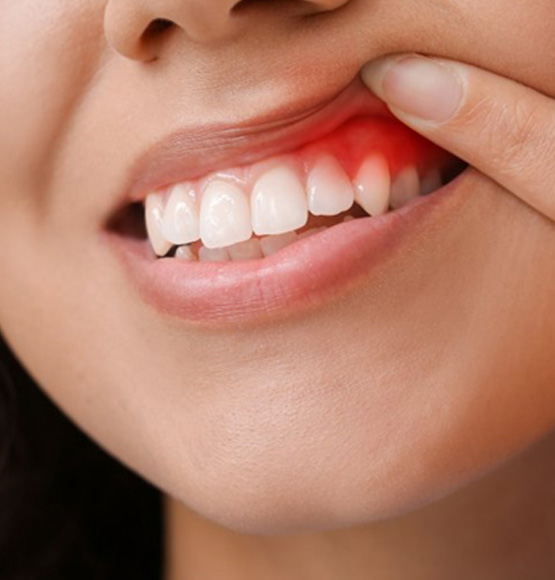
Periodontal disease, or gum disease, is an oral health issue that involves an infection in the gum tissue that holds your teeth in place. The early stage of this complication is also known as gingivitis, which comes with various mild symptoms that can oftentimes be alleviated or reversed with simple oral hygiene techniques and dental checkups and cleanings. If left untreated, it can progress into periodontitis, which can bring about some severe negative effects on your smile and can only be managed thereafter.
Symptoms of Gum Disease

Our team will be able to thoroughly evaluate your oral health to check for any indications of gum disease during your dental checkup. That said, you might be able to notice certain symptoms that are more obvious on your own, such as:
- Gums that are more swollen or redder than normal
- Occasional bleeding in the gums after brushing or flossing
- Teeth that appear longer because of gum recession
- Permanent teeth that have started to feel loose
- Changes in the way your teeth fit together
Saliva Testing

We can perform an OralDNA® MyPerioPath test to check for the harmful pathogens that lead to gum disease. A sample of your saliva is taken for examination. The results will tell us exactly what kind of bacteria is causing your gum disease. This is crucial for prescribing the correct form of antibiotics, as some medications may be more effective in some cases than others. This is also a useful tool for predicting how susceptible a patient might be to gum disease in the future.
Learn More About Saliva Testing
How Do We Treat Gum Disease?

We will generally determine the specific and most viable kind of treatment based on the severity of your situation. After we’ve been able to thoroughly assess your mouth and condition, we can begin planning the best way to address your periodontal disease issue. Below are some of the methods we can utilize to help you regain stronger and healthier gum tissue.
Arestin® Antibiotic Treatment
Arestin microspheres can be placed in the periodontal pockets between the teeth and gums to fight bacteria that are hiding deep within the tissue. Over time, small amounts of medication will be released from the spheres, allowing it to continually fight the infection. We might prescribe Arestin therapy as a supplement to scaling and root planing or other periodontal treatments; this has been found to dramatically improve the mouth’s ability to heal in the weeks following therapy.
Laser Periodontal Treatment
A dental laser can quickly kill off much of the bacteria causing gum disease and even be used to remove infected tissue that is beyond treatment – all while causing a minimal amount of bleeding and discomfort. Our Biolase Diode Laser is so gentle that an anesthetic might not even be required; we can quickly and efficiently treat your infected gums while you stay completely relaxed.
Scaling & Root Planing
If your gum disease is still in its earliest stages, it might be reversible via thorough oral hygiene at home, in addition to routine professional cleanings in our office. However, some cases of gum disease are too advanced for traditional cleaning techniques. If that is true of your condition, we may recommend that you undergo a deep cleaning procedure known as scaling and root planing.
Do I Need Scaling & Root Planing?
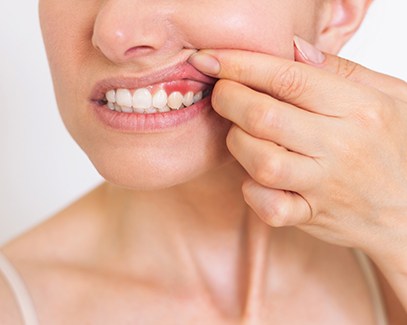
During your checkup, Dr. Lopez will examine your mouth before determining what your next steps should be. He might recommend that you undergo scaling and root planing if you are experiencing the following signs and symptoms:
- Your gums are red, swollen, and tender.
- Your gums bleed easily when you brush and floss.
- You struggle with persistent bad breath.
- You have noticed mild gum recession.
The Process of Scaling & Root Planing
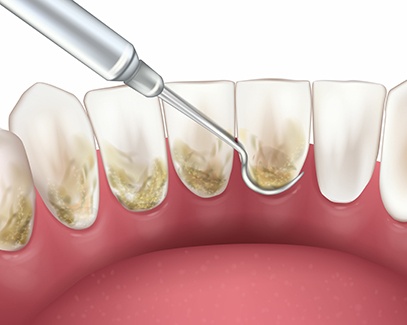
During the scaling and root planing process, we focus on removing bacteria and plaque buildup from your teeth, both above your gumline and in the pockets between your teeth and gums. This portion of the treatment is known as scaling.
Afterward, we perform root planing. We very gently smooth out the tooth roots to create a surface that bacteria cannot cling to as easily, increasing the chances of the gum tissue successfully healing and reattaching to the teeth.
Depending on the extent of your required treatment, scaling and root planing may take multiple appointments.
Aftercare Tips for Scaling & Root Planing

Scaling and root planing can leave your gums tender and sore for up to a few weeks. In the meantime, you can reduce your discomfort by taking some practical steps:
- Regularly rinse your mouth with warm salt water.
- Eat soft foods that are not too hot.
- Take pain relievers as necessary.
- Be very gentle when caring for your oral hygiene.
- Call our team if you run into questions or concerns.
Laser Periodontal Treatment
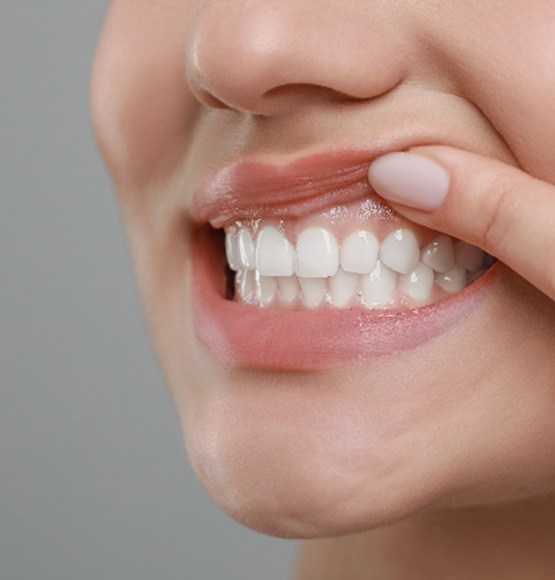
Advanced technology can level up your gum disease treatment in our Tucson office! We may recommend treatment with a soft tissue laser, which can kill harmful bacteria, remove diseased tissue, and work alongside other treatments to allow you to enjoy the healthiest smile possible.
How Laser Periodontal Treatment Works
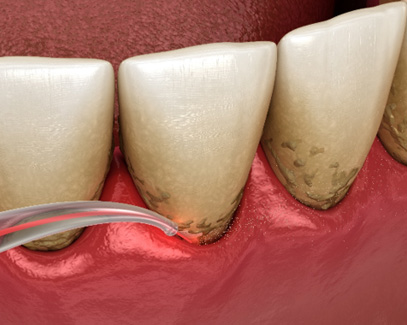
Laser gum disease treatment is not typically a standalone procedure. Rather, it often works alongside other therapies, such as scaling and root planing or antibiotic therapy, to optimize your results.
Our team uses an advanced diode laser from Biolase to precisely remove diseased tissue along your gumline. The device also effectively kills disease-causing bacteria that may be hiding in the small pockets between your gums and teeth. Thanks to local anesthesia and the laser’s inherent comfort features, you should feel little to nothing throughout the process. After treatment, your gums will find it easier to firmly reattach to your tooth roots, and you can get on the road to recovery.
The Benefits of Laser Periodontal Treatment

Laser periodontal treatment is truly amazing! Some of its top benefits include:
- Comfortable Care: This treatment targets infected tissue with precision and without the use of an invasive scalpel. Most patients find that the treatment is easy to tolerate and requires few additional comfort measures.
- Faster Recovery: Laser therapy often supports a shorter healing period compared to treatments performed with traditional instruments.
- Reduced Bleeding: The laser can seal small blood vessels, which may limit bleeding and support a cleaner procedure. This feature also eliminates the need for sutures.
- Better Tissue Support: The procedure removes bacteria and diseased tissue, which can help your gums attach more firmly to teeth. The laser also promotes healing and the growth of new tissue.
Aftercare Tips for Laser Periodontal Treatment
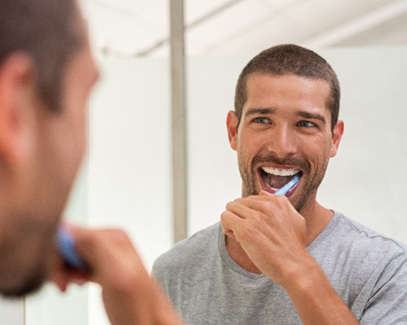
Most patients feel normal within just a week or so of their laser periodontal treatment. That is pretty amazing when you consider the fact that non-laser gum surgeries usually come with a recovery time of 2 – 4 weeks!
Here are some tips to keep in mind as you heal from your procedure:
- Be gentle during oral hygiene: You should keep your mouth clean, but make an extra effort to be gentle along your gumline.
- Modify your diet: Eating soft, cool foods can minimize irritation and reduce the risk of injury to your tender gums.
- Stay comfortable: You can take over-the-counter pain medication if necessary. Listen to your body if it tells you to get extra rest.
- Stay in touch with us: Visit our office for recommended follow-up appointments, and call us right away if you have any questions or concerns during your recovery period.